Creatine after 40: what the research says
One of the few supplements with substantial evidence behind it — and specific caveats after 40. What it does, who it may suit, who should ask a clinician first, and what the marketing overstates.
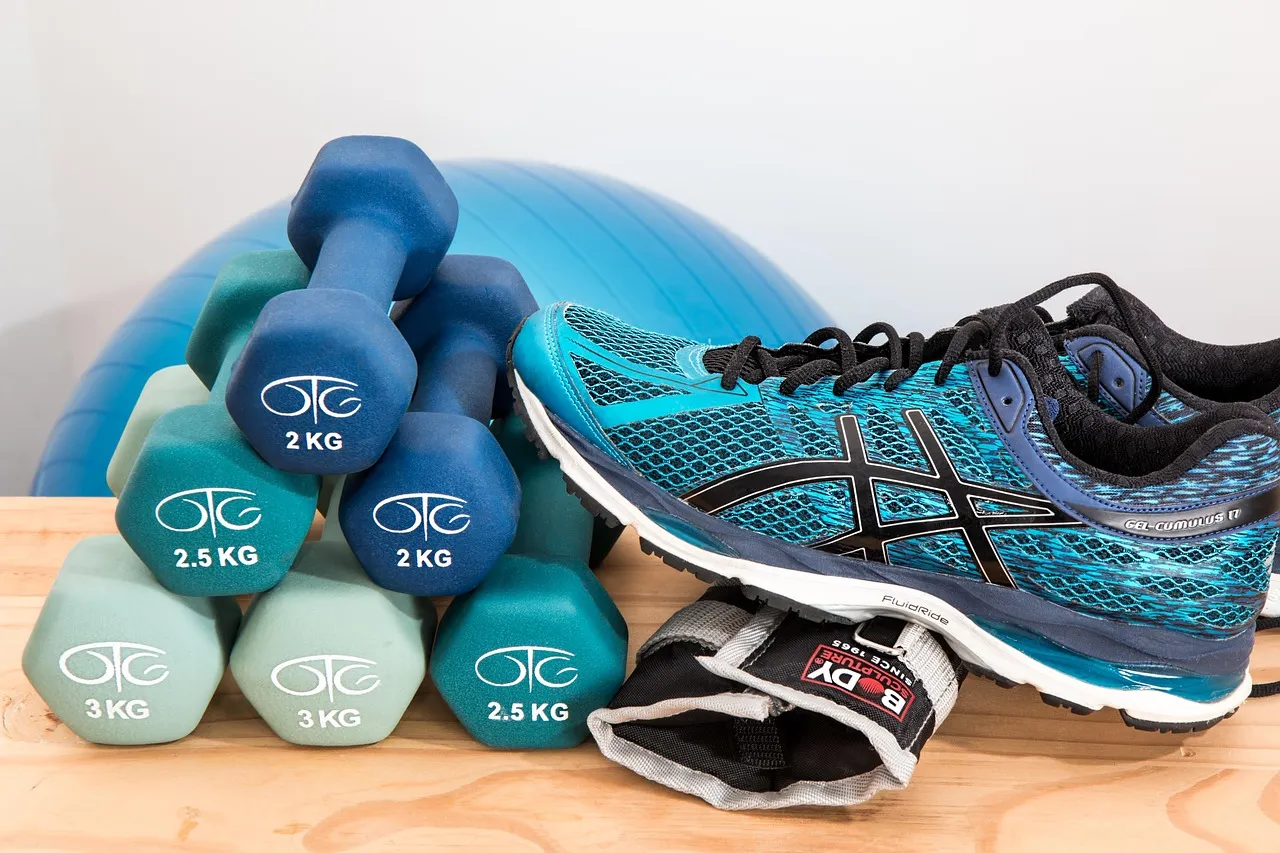
The short answer: creatine monohydrate is among the most-studied supplements in existence. Combined with resistance training, it has been shown to produce modestly greater gains in strength and lean mass in older adults than training alone. Without training, expect little. It is not a testosterone booster, not a stimulant, and not a shortcut — it is a small, reliable amplifier of work you are already doing.
What it is
A compound your body makes and stores in muscle to regenerate quick energy. Supplementing raises those stores by roughly 20–40%, letting you squeeze out a bit more work per session — which compounds into slightly better results.
What the evidence shows, graded
- Has been shown to: increase strength and lean mass gains when combined with resistance training, including in adults over 50; be safe at 3–5 g/day in healthy people across decades of study.
- Research suggests: small benefits for muscle preservation during periods of inactivity, and possibly for cognitive tasks under sleep deprivation.
- May help, evidence early: bone health markers alongside training; mood and brain-health outcomes. Treat every brain-health headline as preliminary.
Who it may suit
Adults over 40 who strength train at least twice a week and want a well-evidenced, inexpensive supplement. The studied maintenance dose is 3–5 grams of creatine monohydrate daily; no loading phase is necessary.
Who should ask a clinician first
Anyone with kidney disease or a single kidney, anyone on medications affecting kidney function, and anyone with a condition that alters fluid balance. Creatine raises creatinine on standard blood panels — which can look like a kidney problem on lab work — so tell your clinician you take it before testing.
What to look for in a product
Creatine monohydrate, third-party tested (NSF, Informed Choice, or USP), sold plain. Cost above roughly $0.40 per 5 g serving is paying for marketing.
What the marketing overstates
“Advanced” forms (HCl, buffered, liquid) that outperform monohydrate — the research does not support the upcharge. Hormone claims. Anything implying creatine works without training. The honest pitch is boring: small edge, strong evidence, low cost — and boring is what good supplements look like.
Creatine is an accessory. Protein is the foundation — get the number right first.